
Geiranger, Norway: The Ultimate Cruise Port Guide


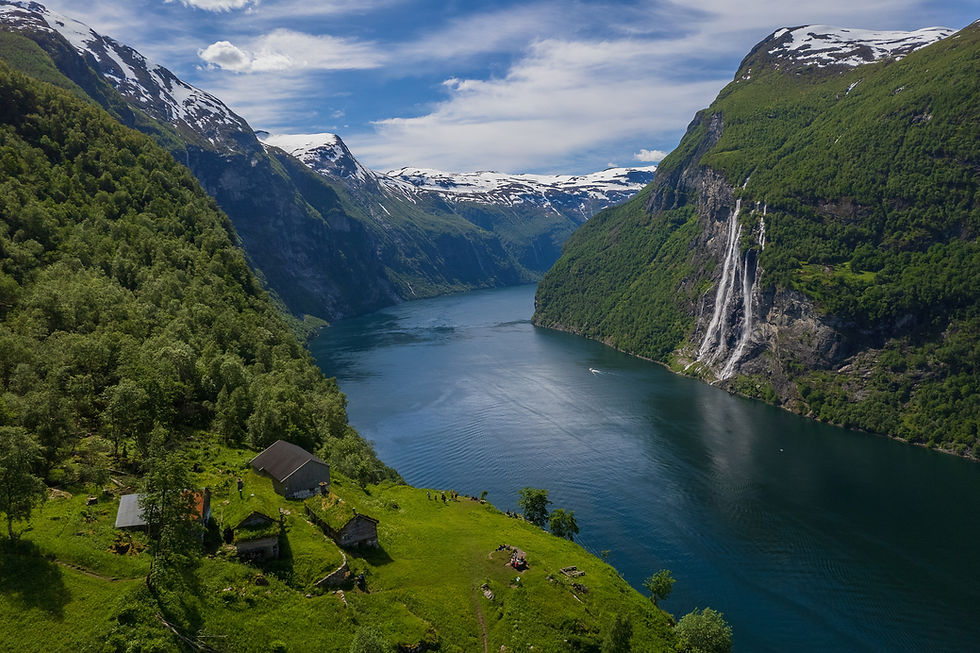
Geiranger sits at the head of the Geirangerfjord, a UNESCO World Heritage site so dramatic it barely looks real from the deck. Sheer cliffs drop straight into the water, waterfalls tumble past abandoned farms clinging to the rock, and the village itself is tiny enough to explore properly in half a day. If your itinerary includes a Geiranger call, here's what to do with your time ashore.
Getting Ashore
Most ships anchor in the fjord and bring passengers in by tender, though the SeaWalk floating pier, in place since 2014, lets one vessel dock directly. If your ship gets the pier, you're ashore in under five minutes. If you're tendering, budget a little longer, especially if there are two ships in port on the same day, which happens more often than you'd think in July and August.
Either way, you land right in the centre of the village. The tourist information kiosk, the excursion meeting points, the cafes and the souvenir shops are all within a couple of minutes' walk of the pier. There's no bus transfer required to reach the village itself, which makes Geiranger one of the easier fjord ports to manage on your own if you'd rather skip a group excursion.
The Seven Sisters and the Suitor
You'll likely have already seen the best of Geiranger before you even get off the ship. As you sail in, keep an eye on the cliffs for the Seven Sisters, a run of seven waterfalls that drop side by side down the same rock face, and the Suitor, a single waterfall on the opposite side of the fjord. Local legend has the Suitor proposing to the Seven Sisters and being turned down, which is either romantic or a bit sad depending on your mood that morning. A short local fjord-cruise or RIB boat trip gets you close enough to feel the spray, and it's worth doing even if you've only got a couple of hours ashore.
Storfossen and the Norwegian Fjord Centre
From the pier, follow the path alongside the Storfossen waterfall up toward the Hotel Union. It's 327 steps in total, spread across several viewing platforms, so it's more of a steady climb than a proper hike, and most people manage it without any trouble. At the top you'll find the Norwegian Fjord Centre, which has an exhibition on the fjord's history and its World Heritage status. It's a good option if the weather turns, and it's close enough to the ship that you won't be cutting it fine on time.
Flydalsjuvet: The View You've Already Seen
About 4km outside the village, on the road toward Grotli, is Flydalsjuvet, the viewpoint responsible for most of the postcard shots of Geiranger you've ever seen: the fjord stretching out below, the village tucked into the bend, cruise ships looking like toy models from up there. There's a lower platform with a seating installation called the Fjordsetet, opened by Queen Sonja in 2003, where you can get the classic photo of someone sitting at the cliff edge. It's not accessible on foot from the pier, so you'll need a taxi, hire car, or an excursion that includes it.

Ornevegen and Dalsnibba
Ornevegen, the Eagle Road, is the switchback route that climbs out of Geiranger with eleven hairpin bends, each one opening up a wider view back over the fjord. If you carry on past the top of Ornevegen, a toll road leads up to Dalsnibba, a viewpoint 1,500 metres above the fjord and one of the highest you can reach by road in this part of Norway. It's only open roughly between 10am and 4pm and there's an entry fee, so check before you commit an excursion slot to it. On a clear day it's spectacular. On a low-cloud day, you'll see nothing but mist, so this is one to save for good weather if your ship gives you any flexibility on timing.
On the Water: Kayaking and Fjord Boats
If Geiranger has one excursion worth booking ahead, it's a guided kayak tour. Trips typically run two to three hours, launch close to the pier, and don't require experience. Being at water level under those cliffs is a different experience entirely to viewing them from a sightseeing boat or the ship's deck, and it fits comfortably into a shorter port call. Kayak tours and the guided hikes both tend to sell out during peak summer sailings, so if you know your cruise date, it's worth booking the excursion before you sail rather than waiting to see what's left on the day.
If You've Got the Whole Day: Trollstigen
For anyone on an overnight stay or a very long port day, Trollstigen, the Troll's Path, is the big-ticket excursion. It's a serpentine mountain road with eleven hairpin turns of its own, a fair distance from Geiranger, and a full excursion there and back will take up most of your time ashore. It's worth it if you've done Geiranger before or you're not fussed about spending longer in the village itself, but check the return time carefully against your ship's departure. This is the kind of excursion where cutting it close isn't worth the risk.
A Note on Timing and Weather
Geiranger is a small port and the weather in the fjords can change fast, cloud rolling in over the cliffs one minute and clearing the next. Pack a layer even in July and August, and don't assume a viewpoint excursion is guaranteed to deliver the view you've seen in photos. If your priority is Dalsnibba or Flydalsjuvet, keep half an eye on conditions that morning before locking in plans. Because itineraries here can also change between a floating-pier docking and a full tender operation depending on which ships are in port that day, it's worth asking your agent what your specific sailing has planned before you book anything ashore independently.
We book Norwegian Fjords sailings for people every week, and Geiranger is one of the ports that tends to make or break the itinerary. If you'd like us to check which sailings call here and compare a few options, get a free quote and we'll come back with what's actually available for your dates.



Comments